
Back to the Past
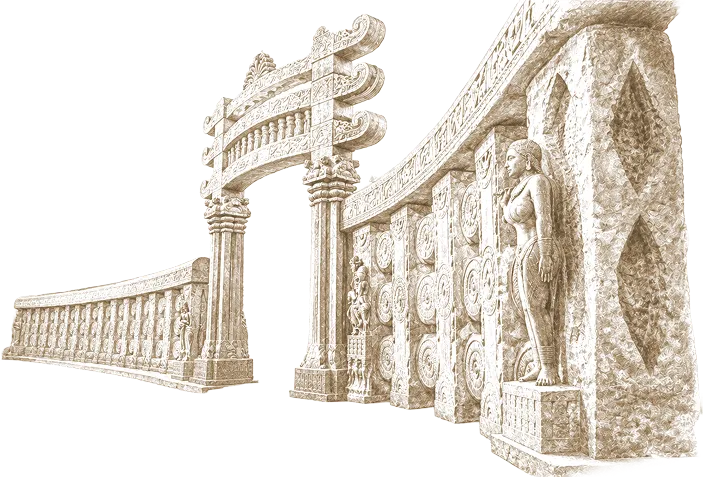
Have you ever stood before an artefact created thousands of years ago and wondered what it looked like when it was first made? Where was it placed? Who used it? What kind of world surrounded it?
Back to the Past began with these questions.
Created in collaboration with the Indian Museum, Kolkata, one of Asia’s oldest and most significant museums, the project is a research-led visual journey that places selected artefacts back within the historical and cultural settings from which they emerged.
Combining historical research, photography, visual reconstruction, and emerging technologies, the project offers new ways of experiencing museum collections. Through books, films, exhibitions, and digital experiences, it helps audiences see artefacts not simply as objects preserved in glass cases, but as living parts of human history.
When the Building Is Alone
Government houses are usually associated with authority, ceremony, movement, and public life.
But what remains when the people, processions, conversations, and colours disappear? What does a building reveal when it is left alone with its own history?
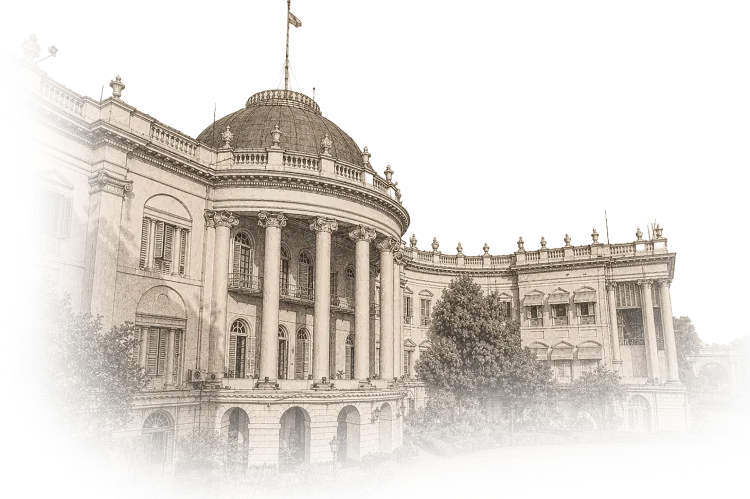
When the Building Is Alone is a cinematic documentation of Lok Bhavan, Kolkata, formerly known as Raj Bhavan. The project explores its architecture, atmosphere, and historical presence through moments of stillness.
Moving beyond the building’s official functions, the film focuses on form, light, shadow, space, and memory. It reflects on how architecture continues to hold history, identity, and meaning, even in silence.
Varanasi
Varanasi is often described as an eternal city, a place where faith, death, devotion, art, commerce, and everyday life exist side by side.
Its stories cannot be contained easily within a camera frame or the pages of a book. Yet, driven by a deep desire to understand the city, we accepted the challenge of documenting its many layers.
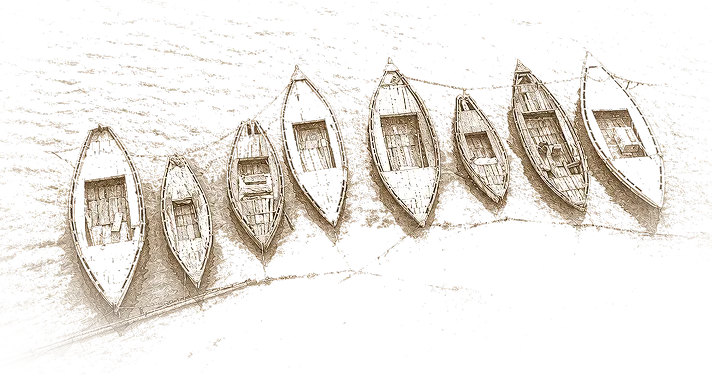
Varanasi: The Geometry of Faith is a visual and cultural study of the city’s temples, ghats, rituals, sacred riverfronts, neighbourhoods, crafts, and living traditions.
Through photography, documentation, research, and observation, the project explores the relationship between sacred space and everyday life. It presents Varanasi not only as a spiritual destination, but also as a living cultural archive shaped by centuries of continuity, change, and collective memory.
Celebrating Tagore
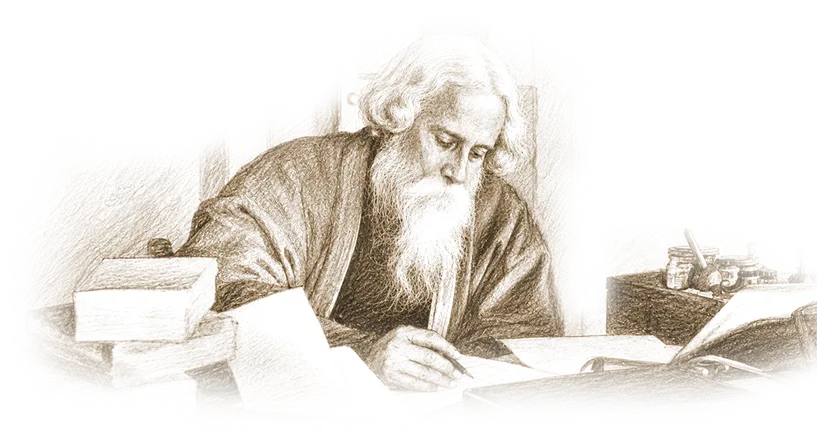
Rabindranath Tagore, the Bard of Bengal and Asia’s first Nobel Laureate in Literature, left behind an extraordinary body of songs, writings, ideas, and artistic experiments.
Yet, the depth and diversity of his creative world are often overlooked, particularly beyond Bengali-speaking audiences.
Celebrating Tagore is an initiative to introduce Tagore’s Bengali songs to 100,000 non-Bengali households.
The project studies his music, literature, philosophy, and personal journey, while bringing forward lesser-known stories from his life. By placing familiar works within their historical, cultural, and emotional contexts, it reveals new dimensions of Tagore’s thought.
Through research, interpretation, translation, music, and visual storytelling, the project seeks to make his creative legacy more accessible to contemporary audiences across languages and regions.
Indian Knowledge Systems Publication Series
Books, Research & Public Scholarship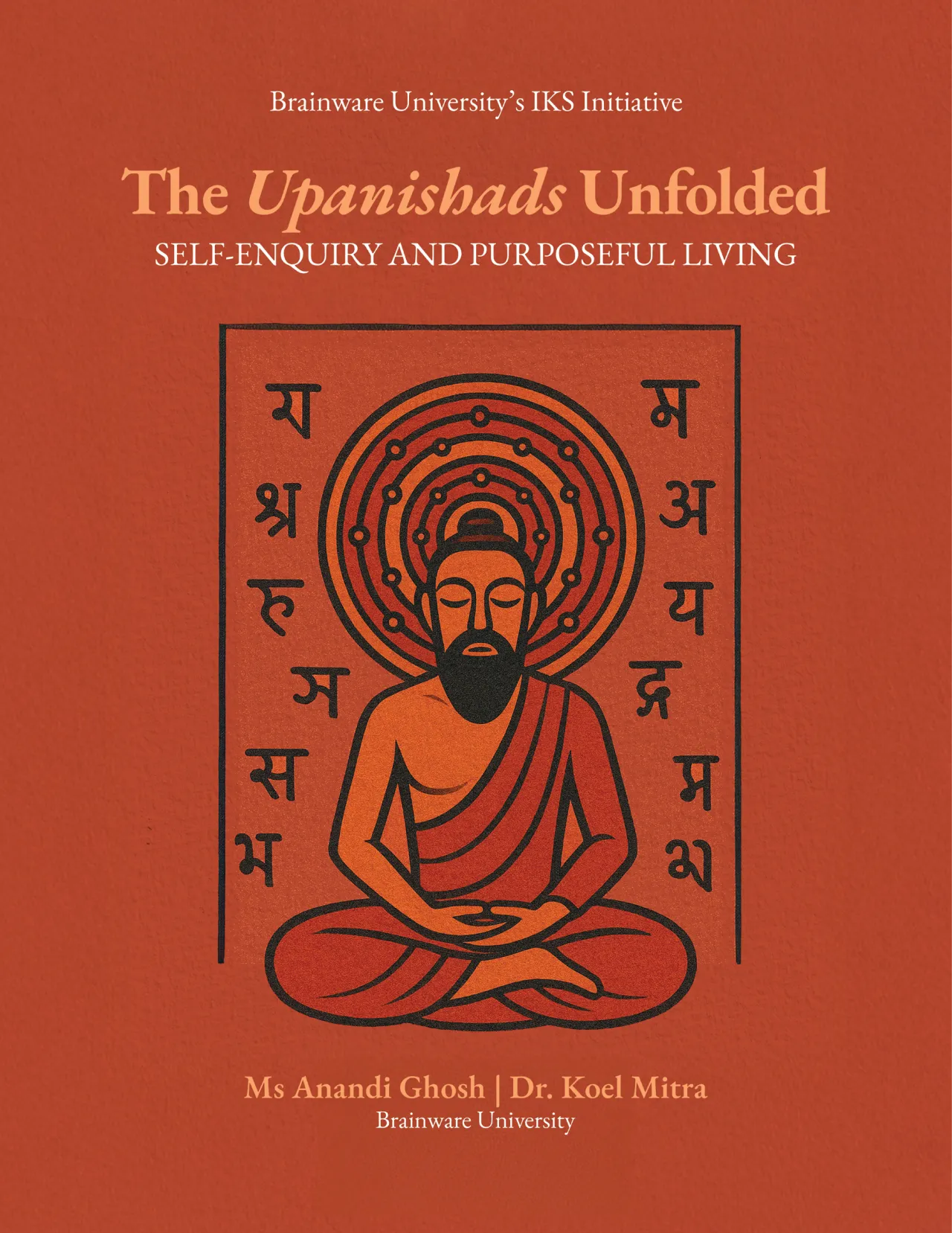
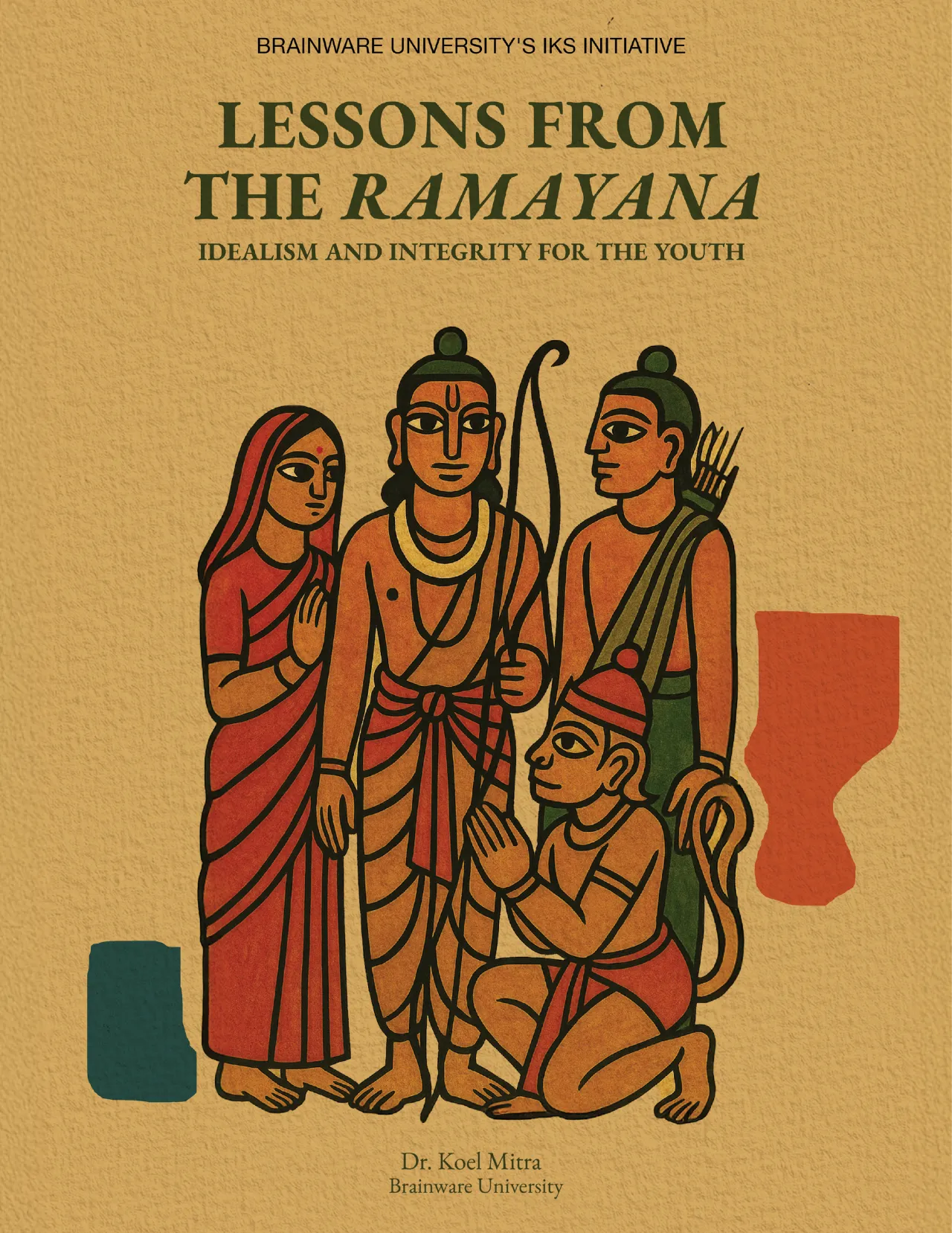
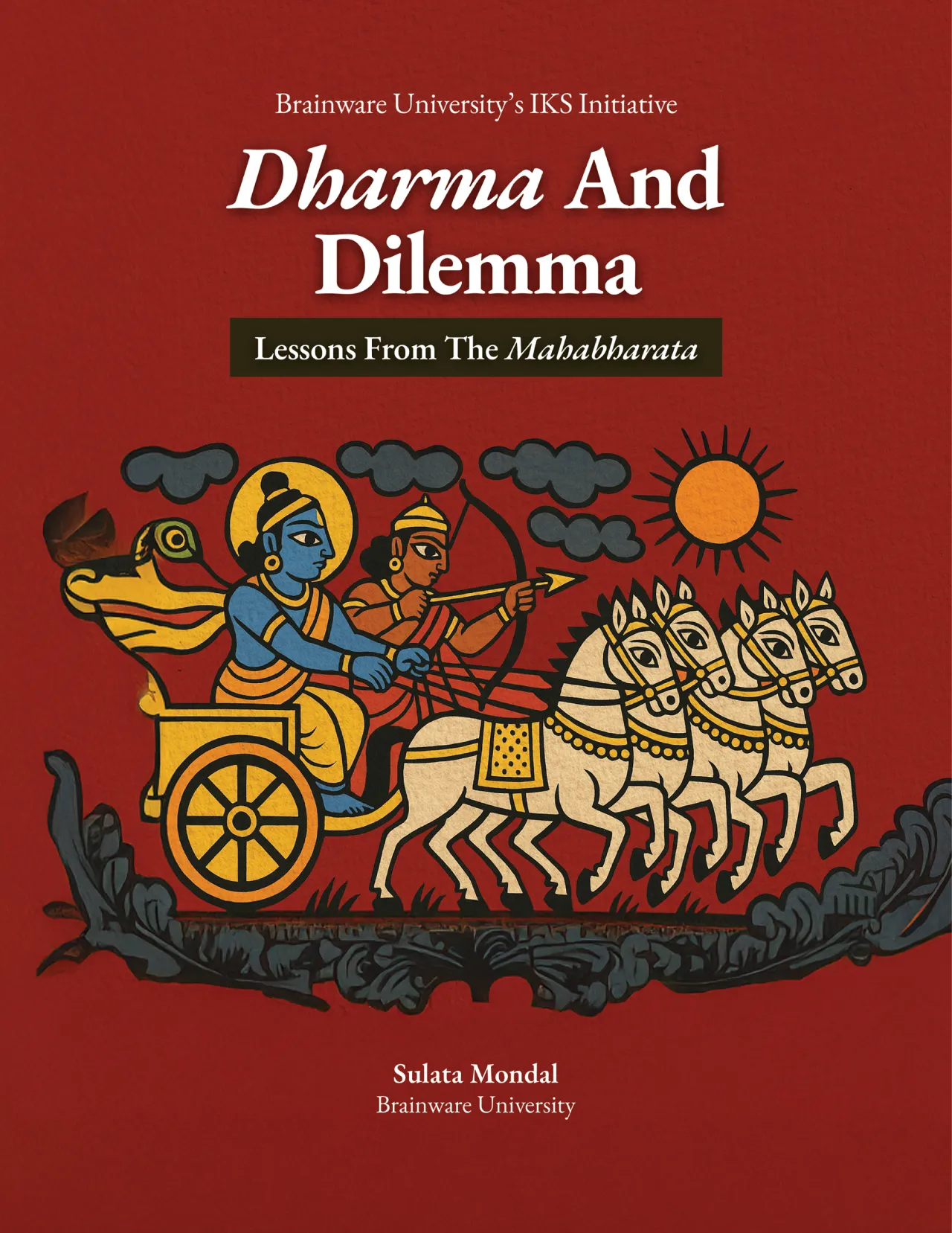
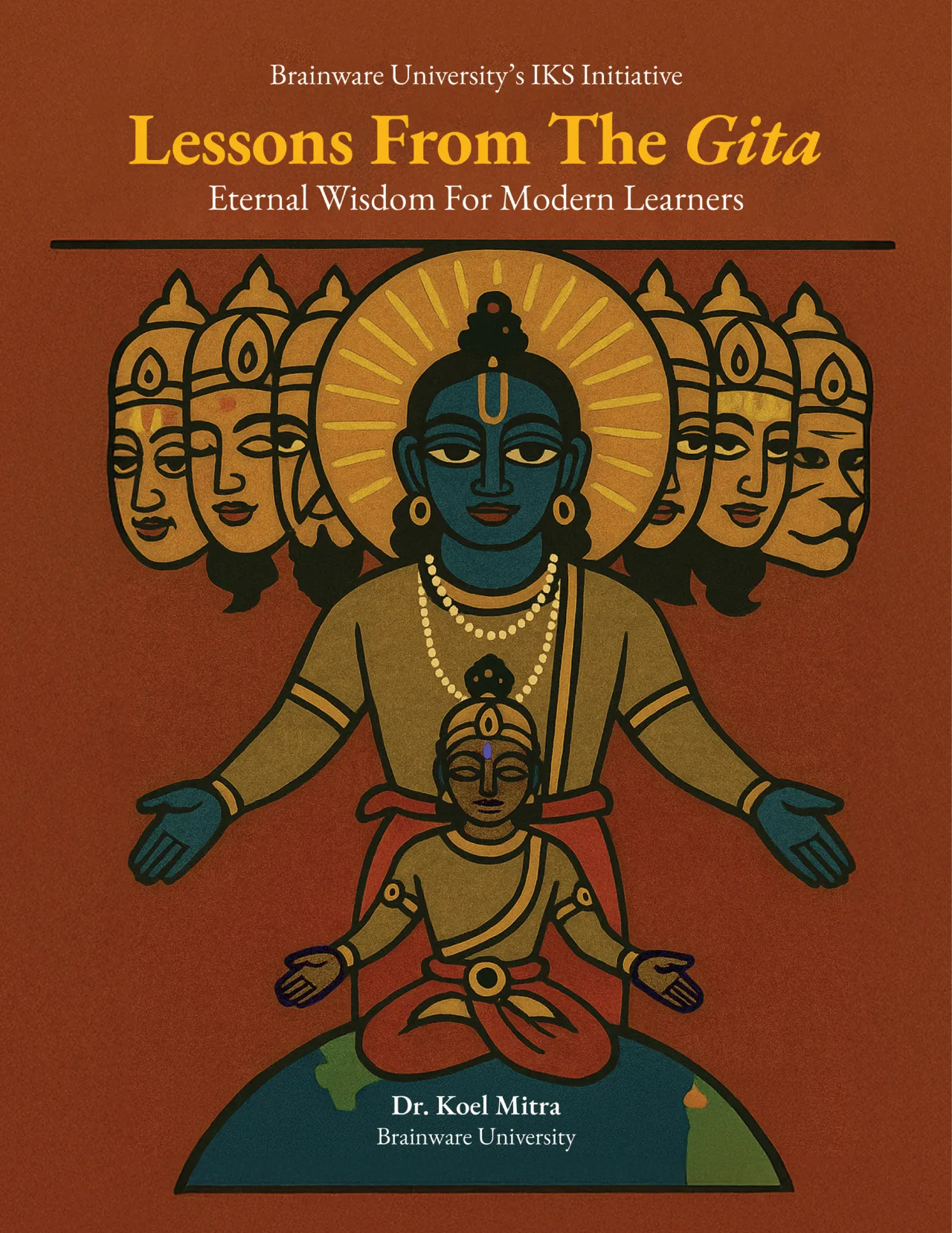
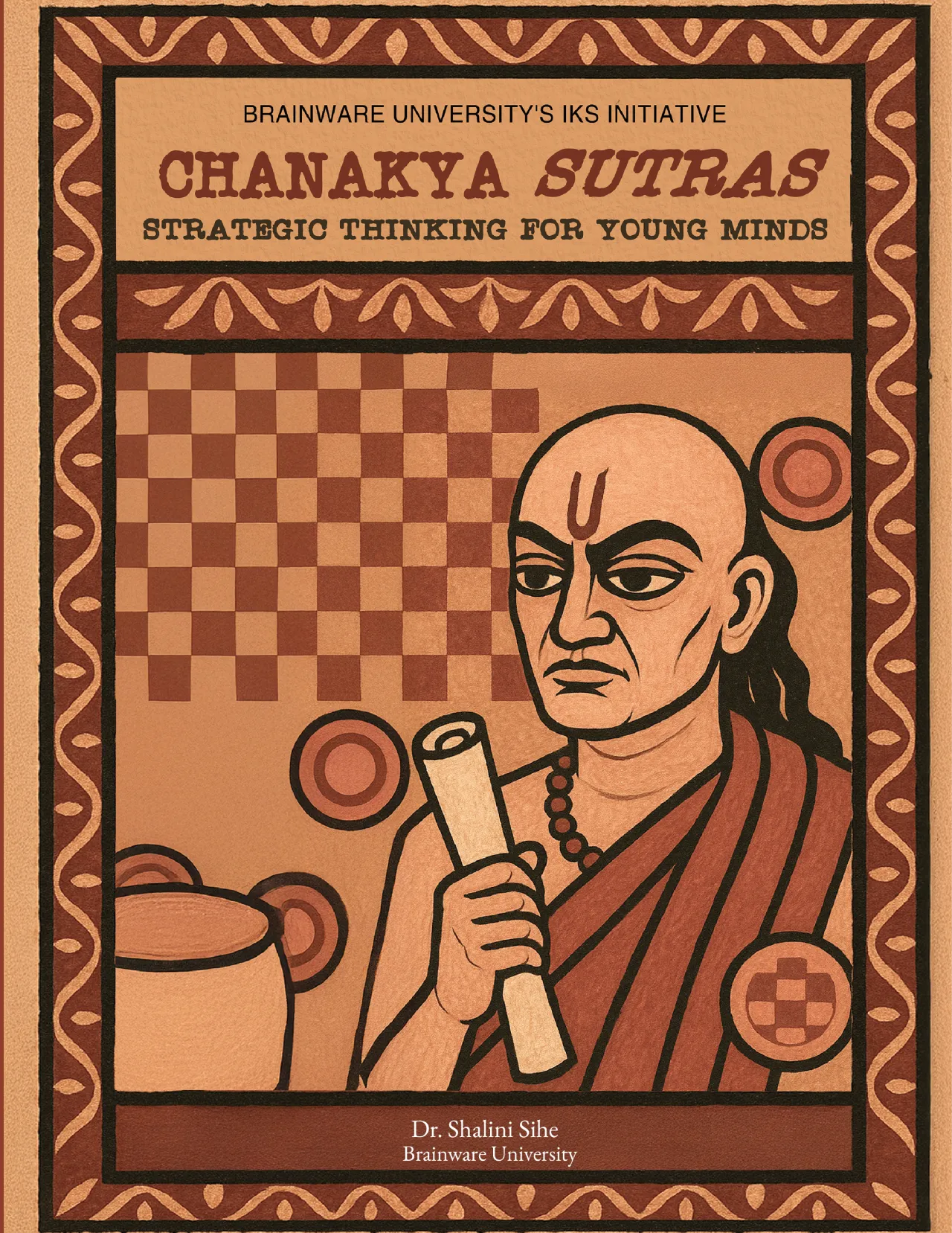
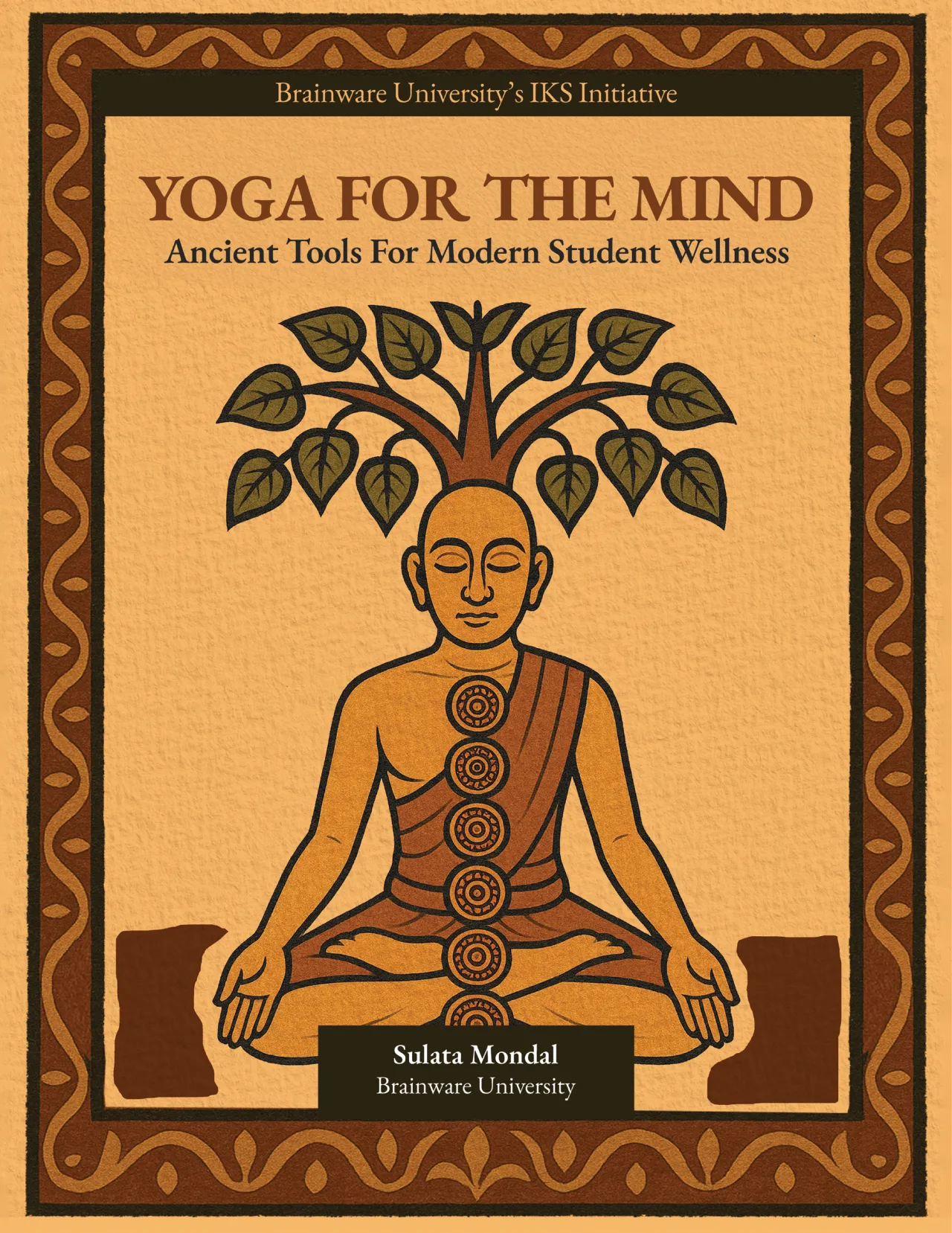
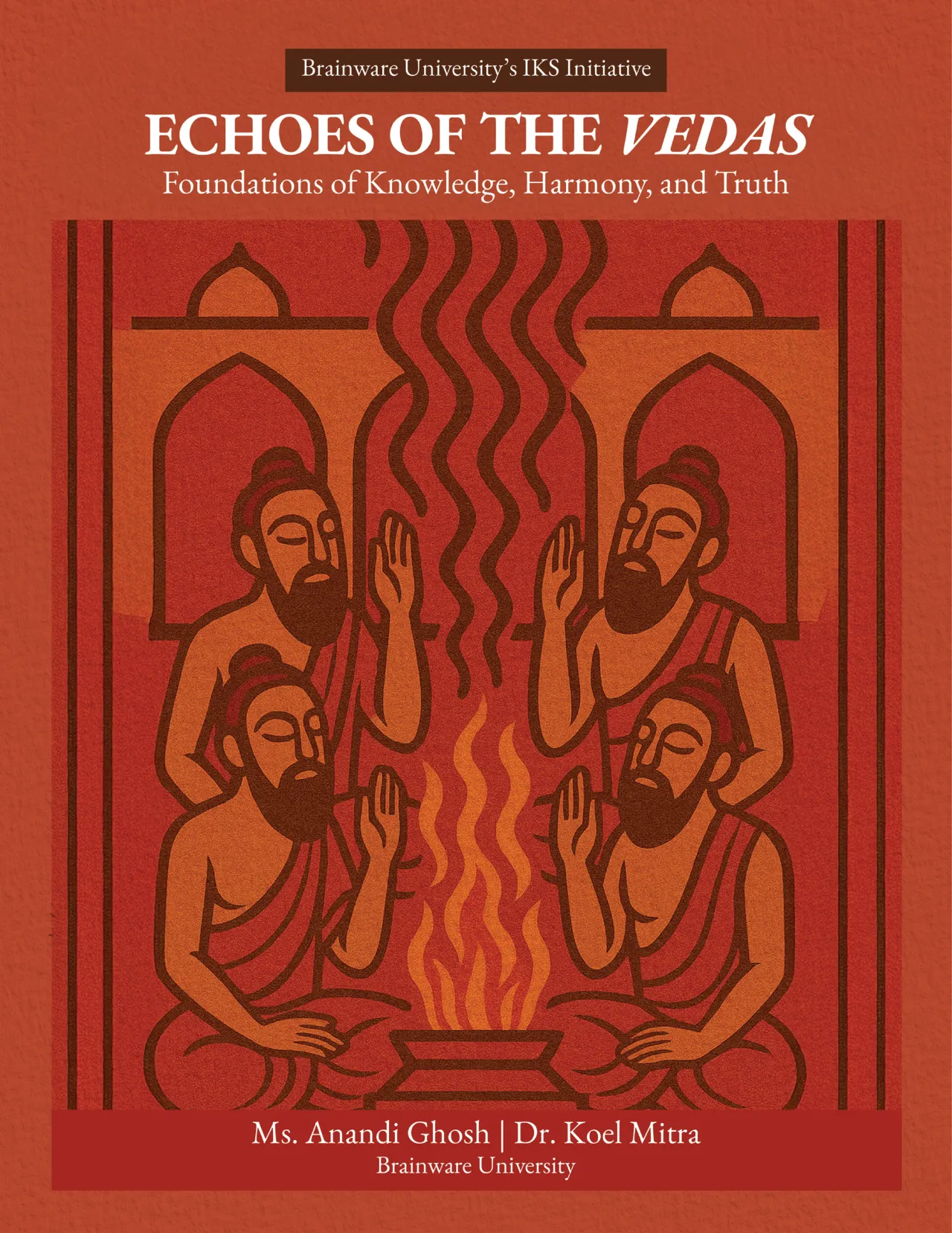
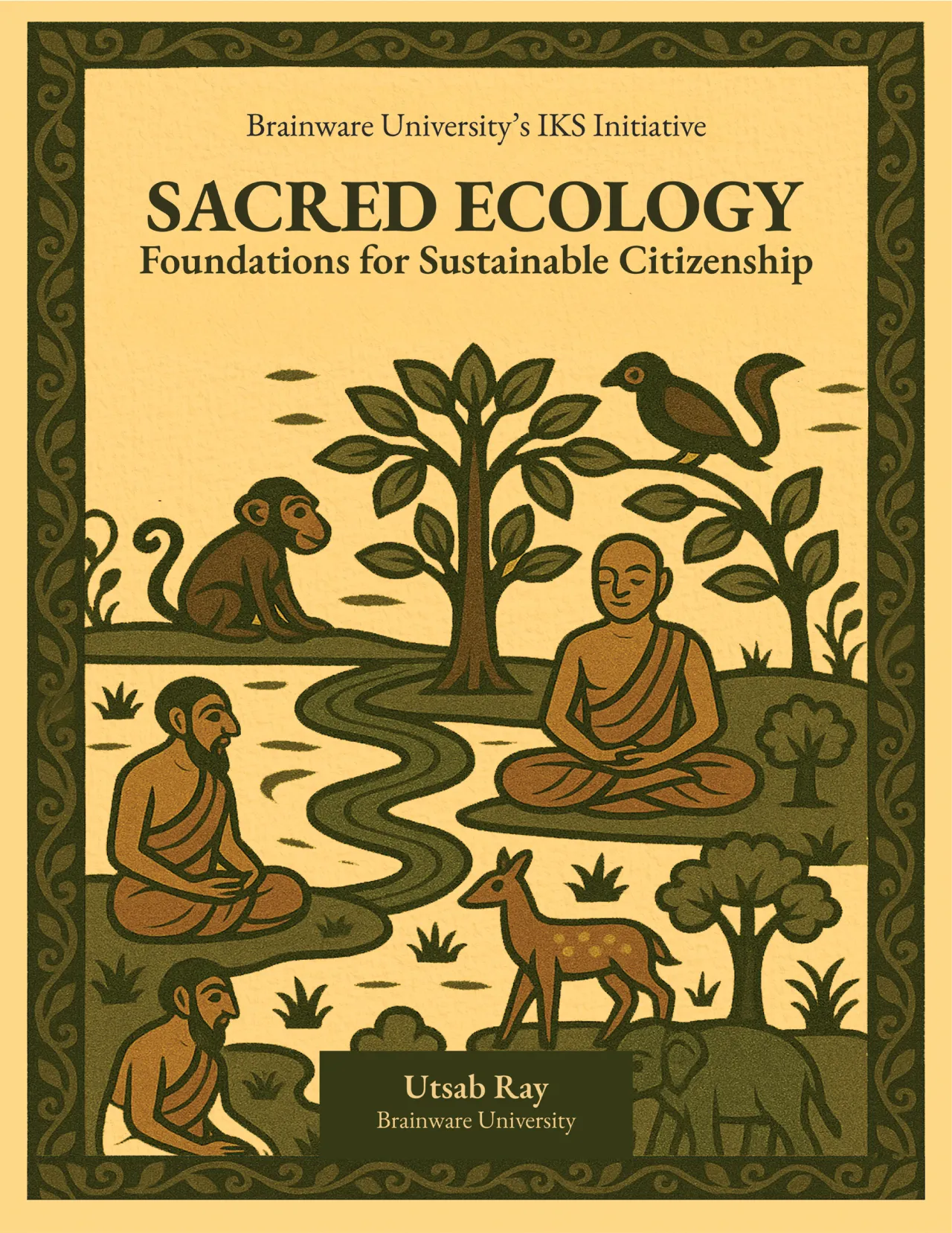
A series of books and research projects that explore India’s knowledge traditions through texts, ideas, and contemporary interpretations, including studies on the Vedas, the Bhagavad Gita, the Ramayana, the Mahabharata, Chanakya, and ecology.
Research Collaboration
- Joint research projects with museums, ministries, cultural bodies, academic institutions, and corporate partners.
- Content commissions for heritage documentation, interpretation, publications, films, and digital cultural projects.
- CSR-aligned initiatives focused on preserving, presenting, and widening access to India’s cultural heritage.
- Proposals are welcomed from faculty members, external scholars, institutions, organisations, and cultural practitioners.
- Each proposal is reviewed on three key grounds: academic relevance, cultural value, and practical feasibility.